The BIG Local !

Buckinghamshire Freemasons Welcome 60 New Members in Historic Multi-Centre Initiation Event

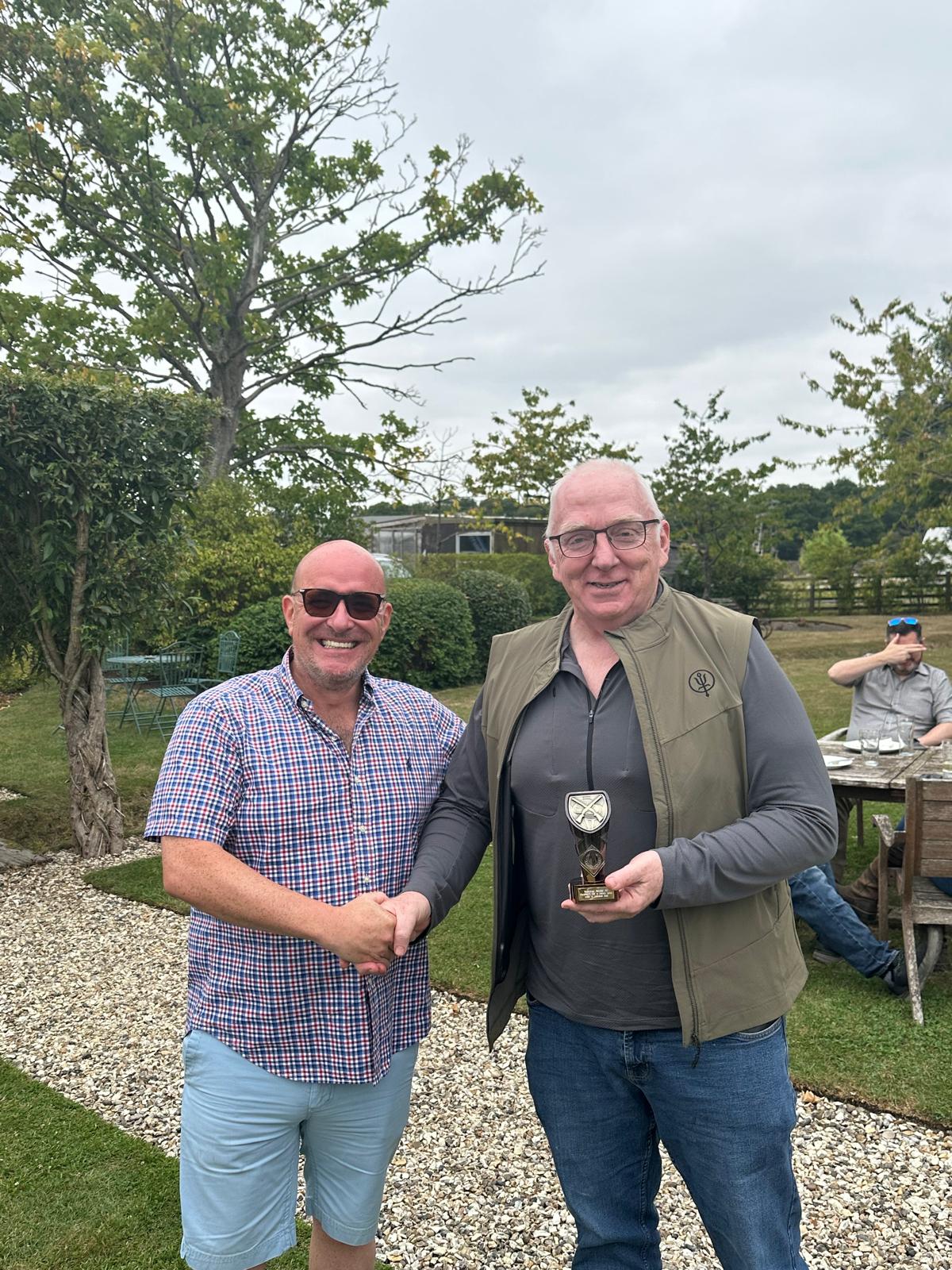
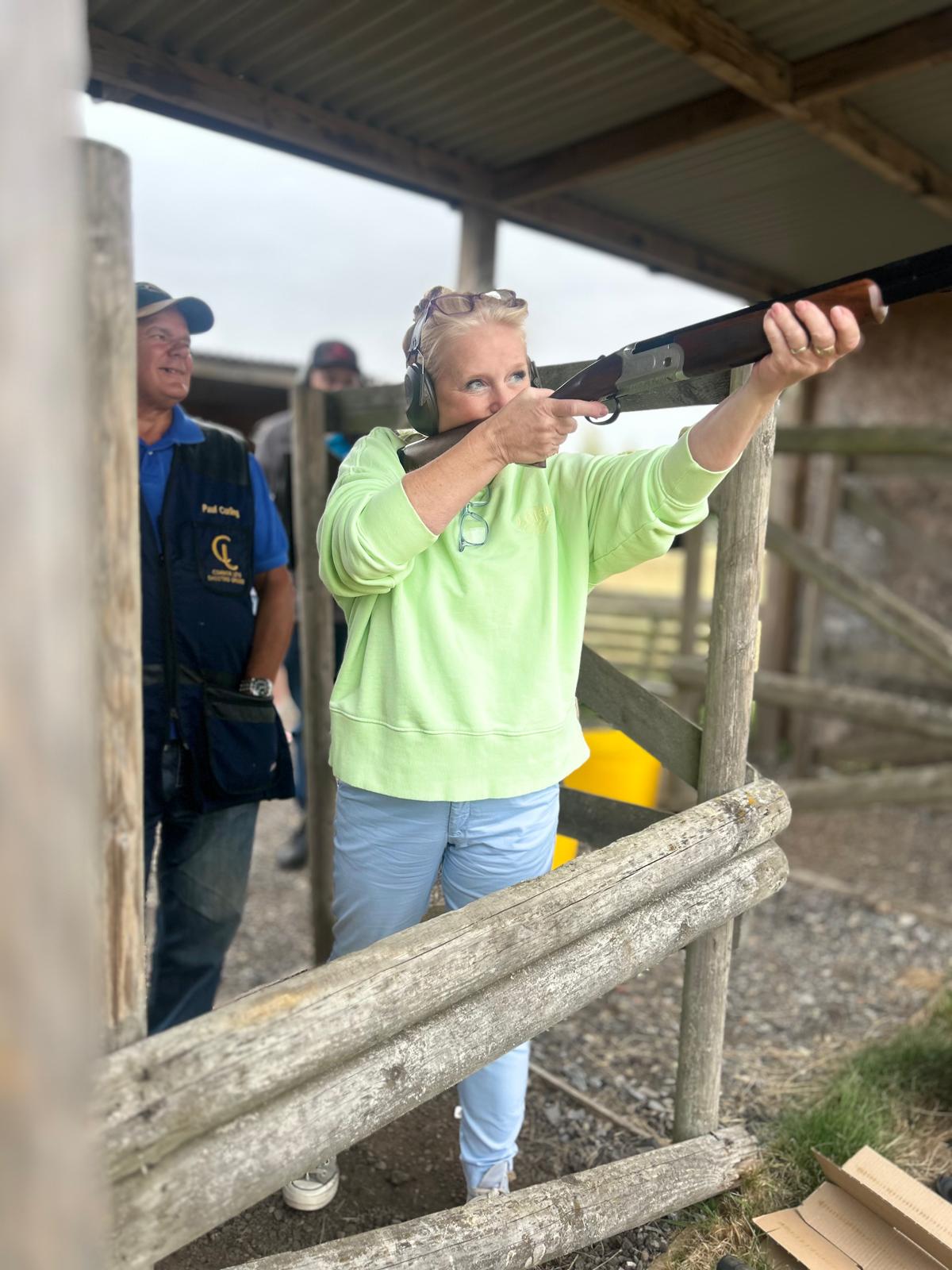
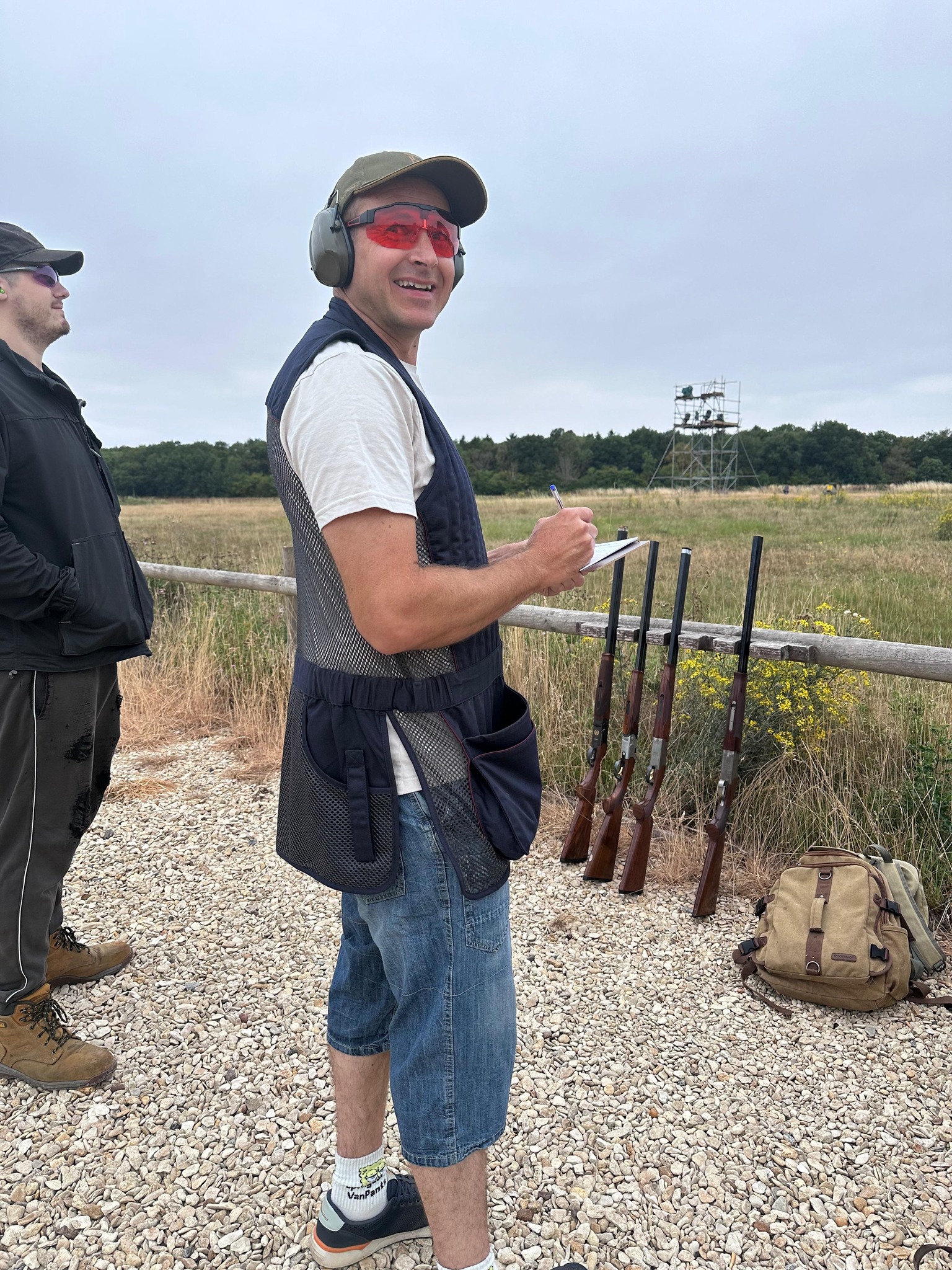
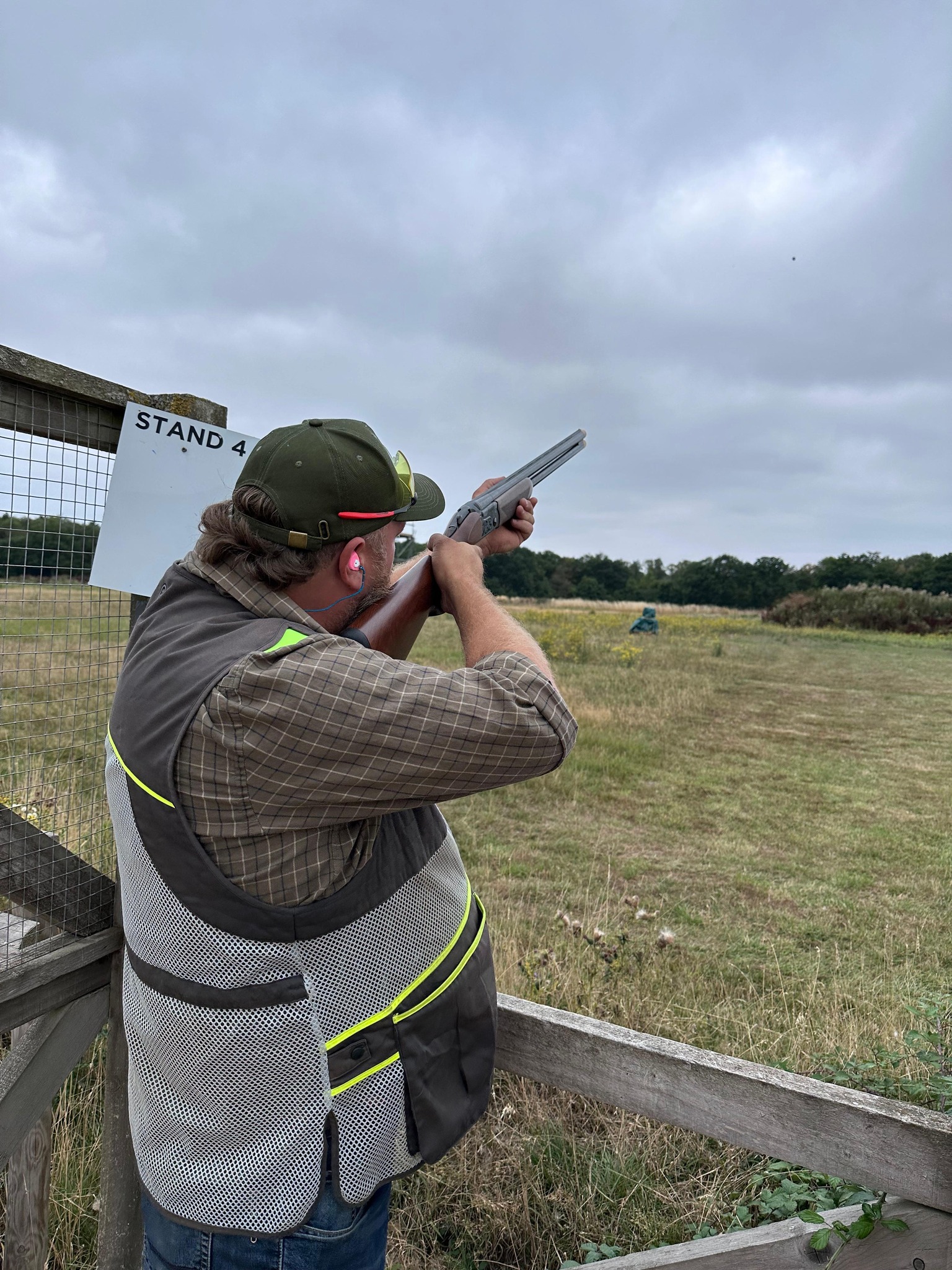
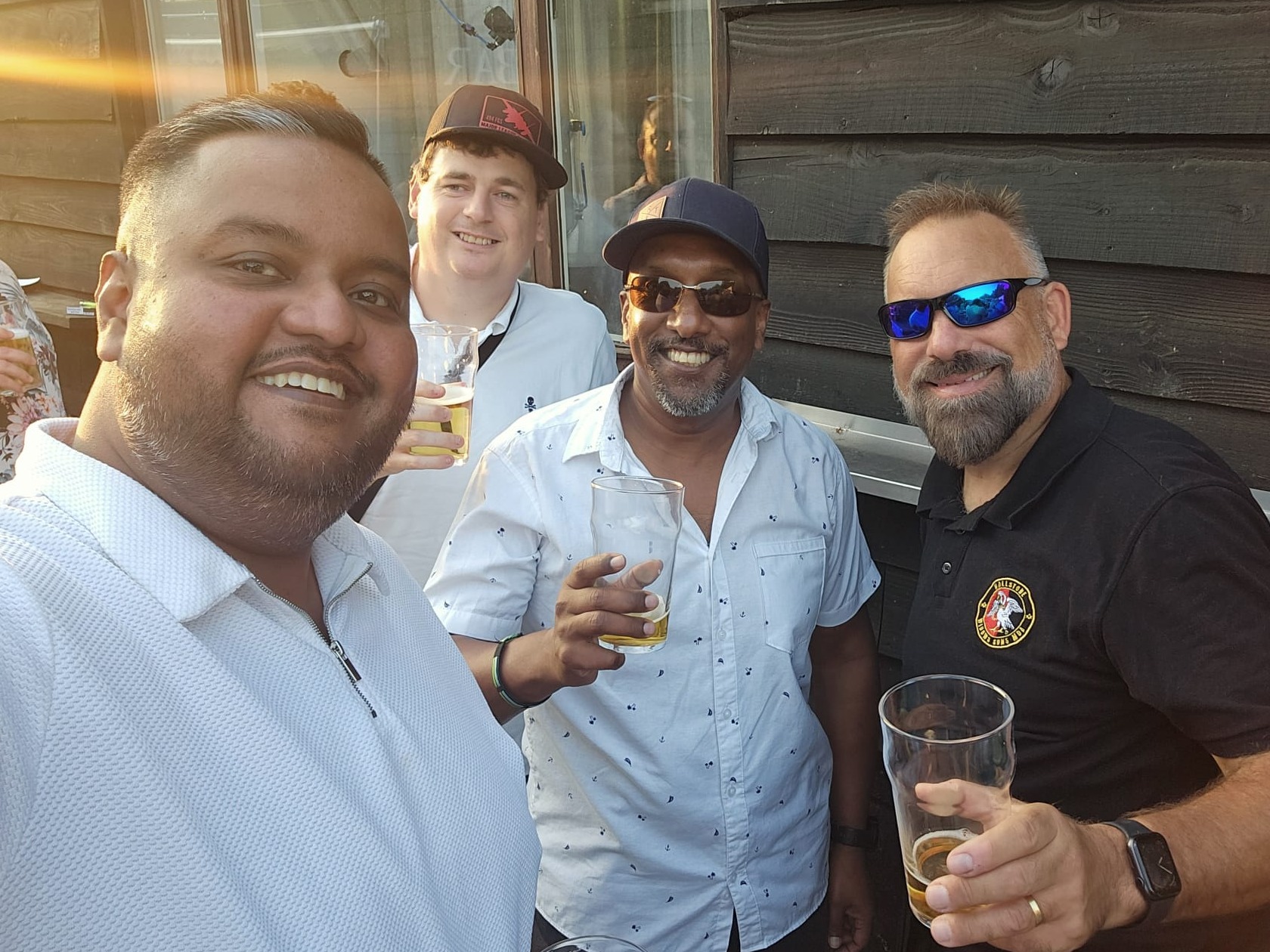
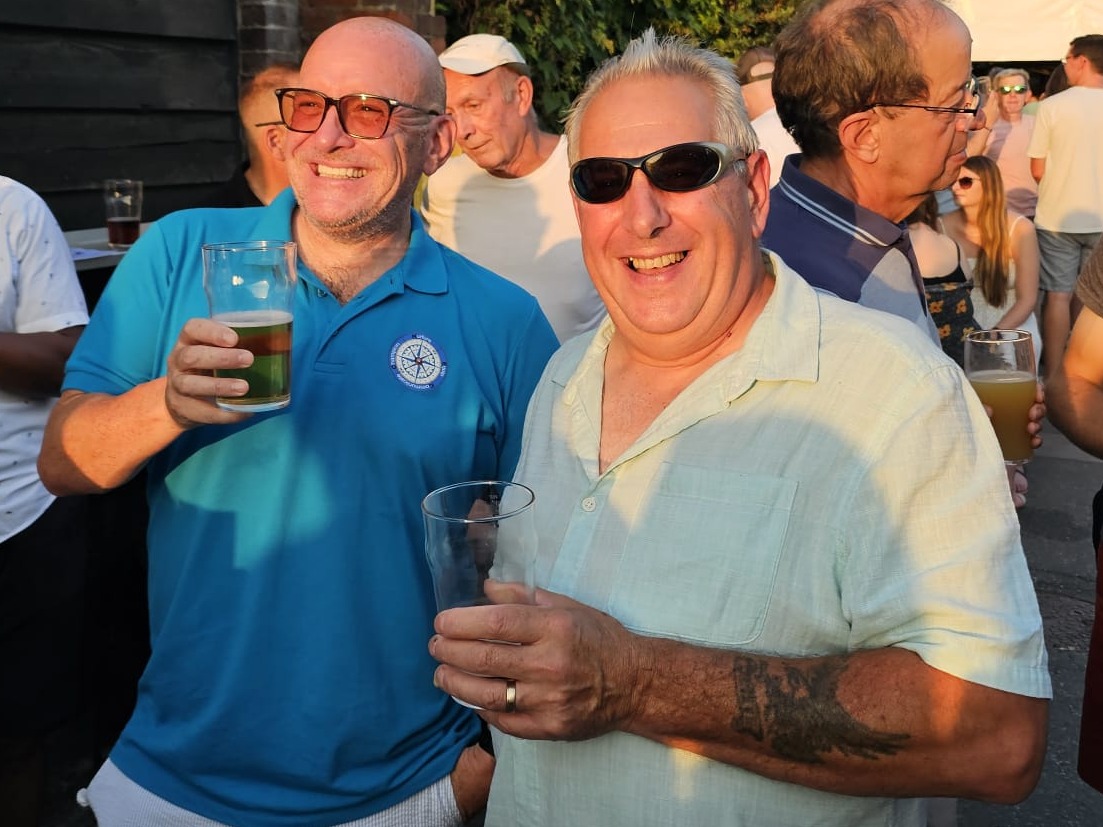
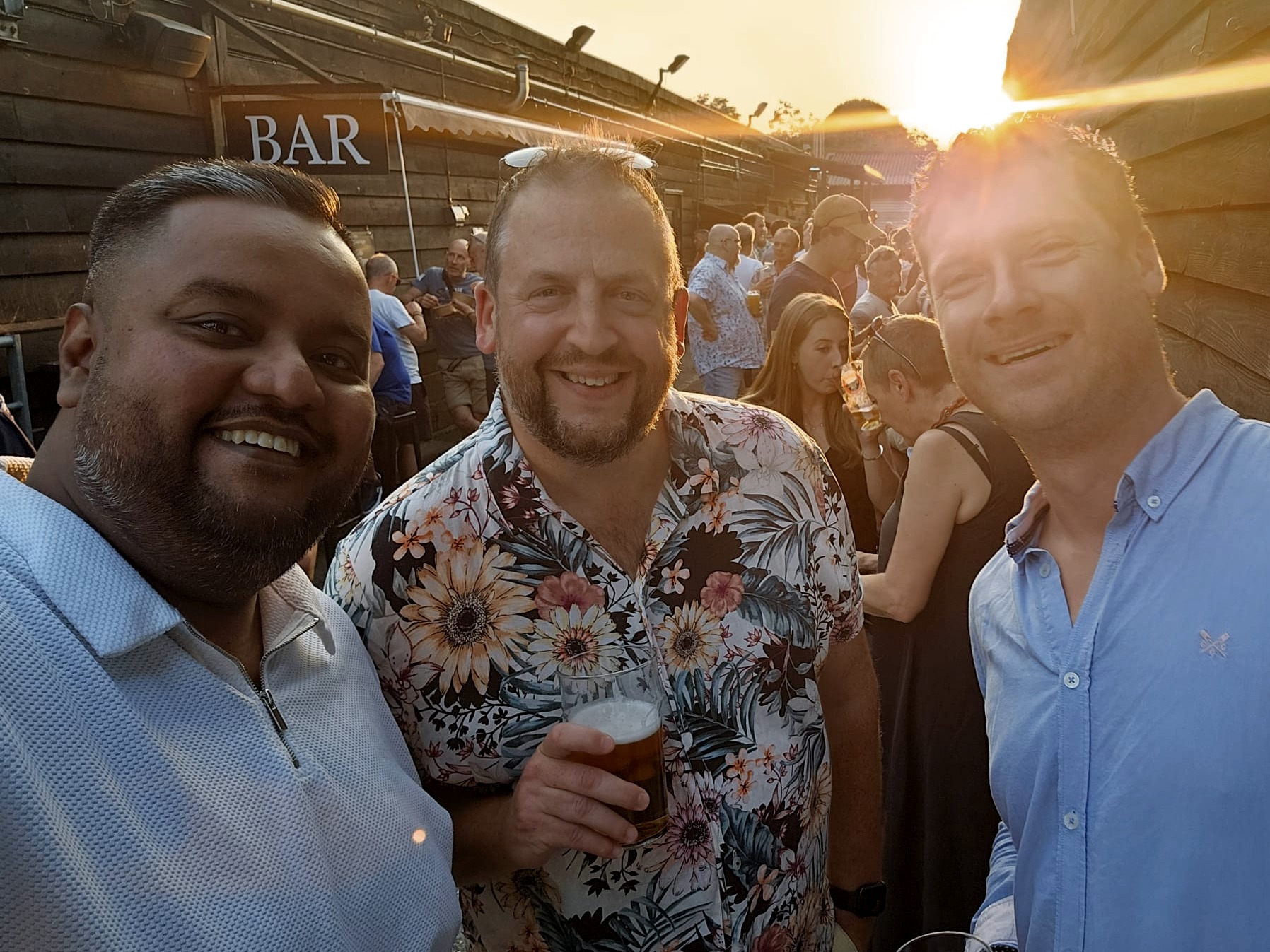
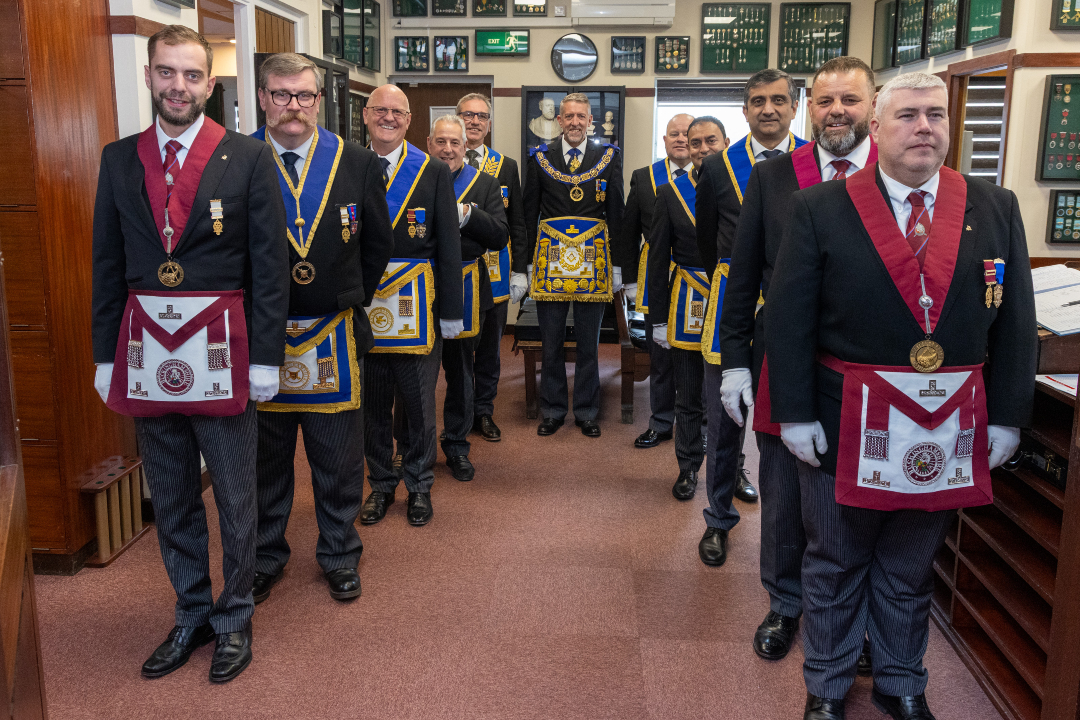
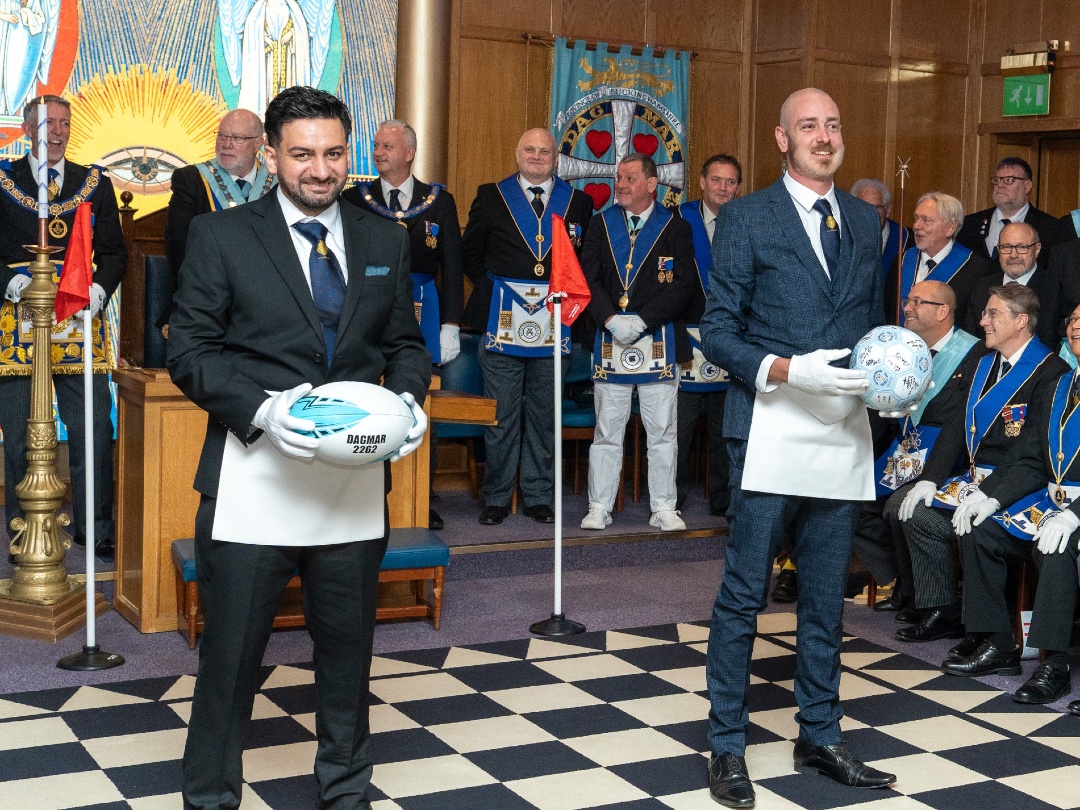
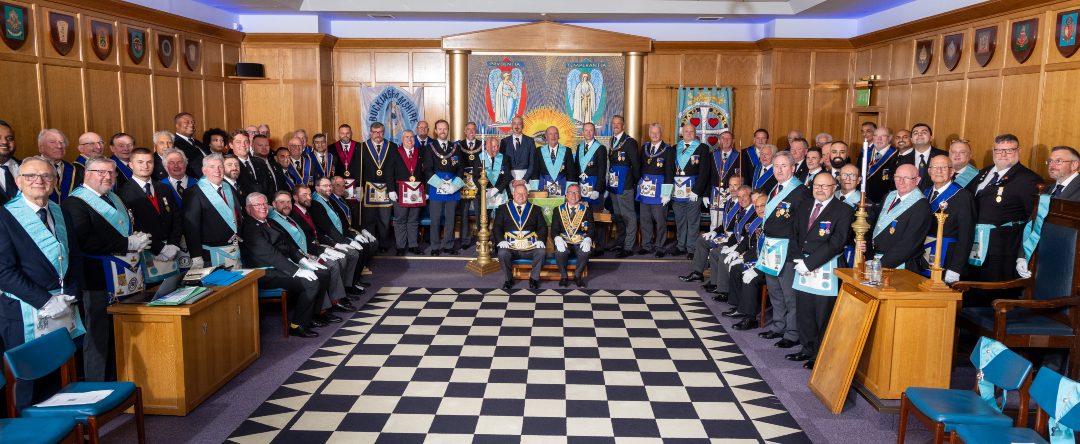
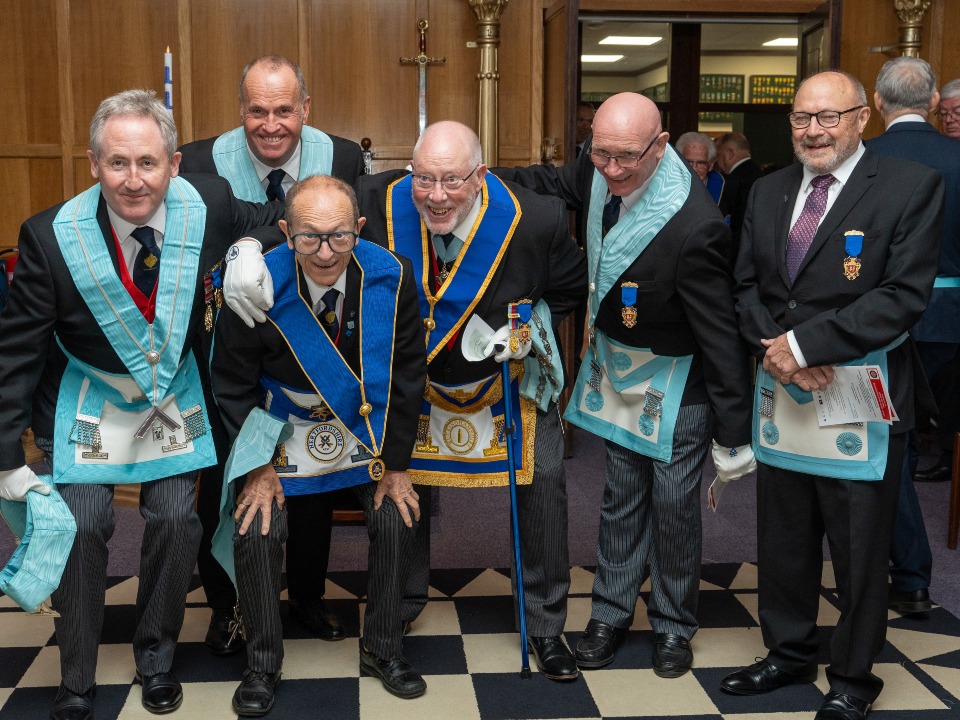
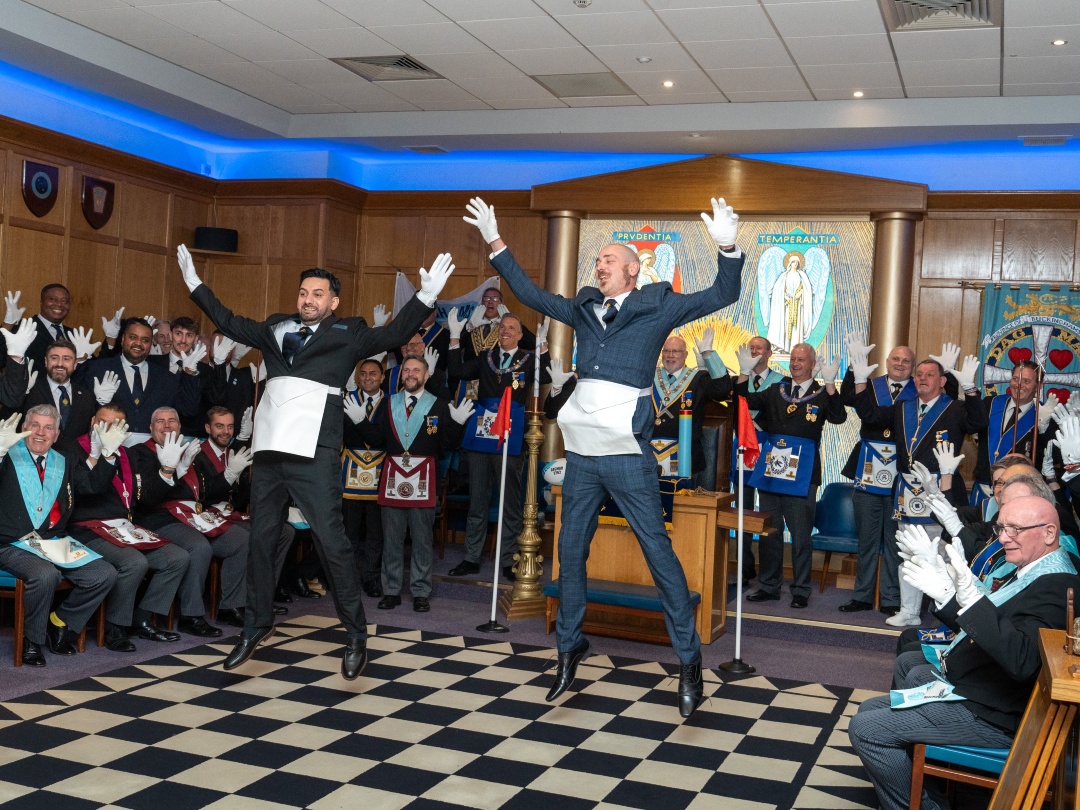
In an unprecedented and powerful demonstration of unity and growth, Buckinghamshire Freemasonry held its largest coordinated initiation event to date this July, as 60 new Freemasons were initiated simultaneously across multiple centres throughout the county.

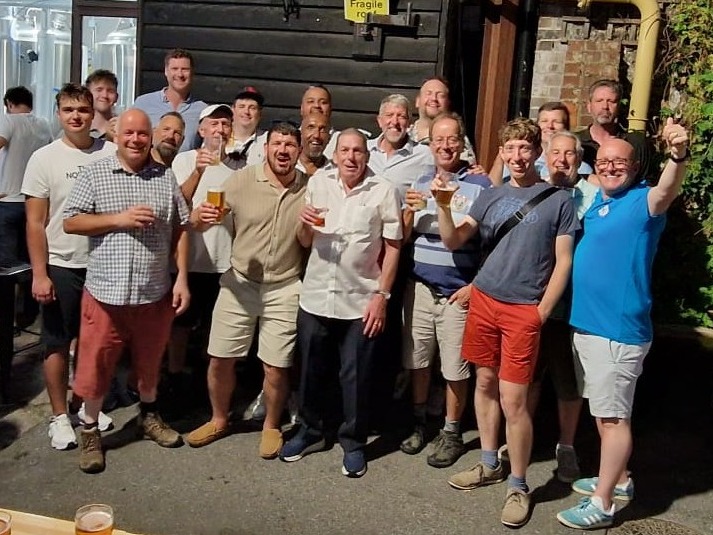
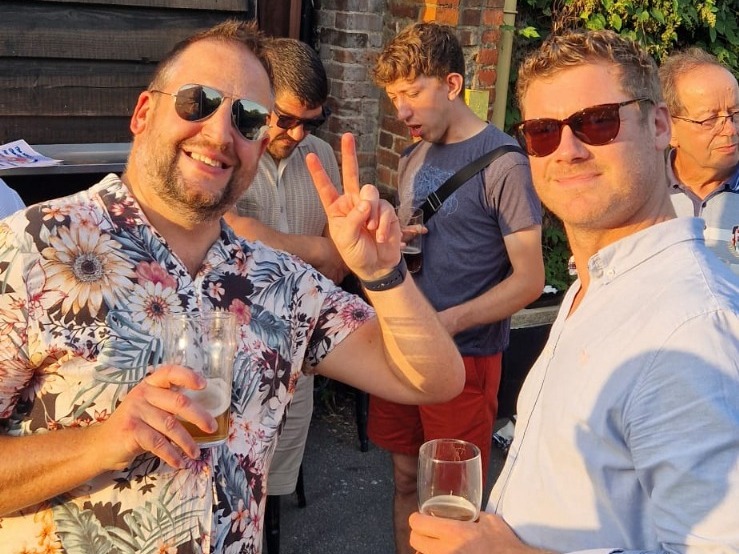
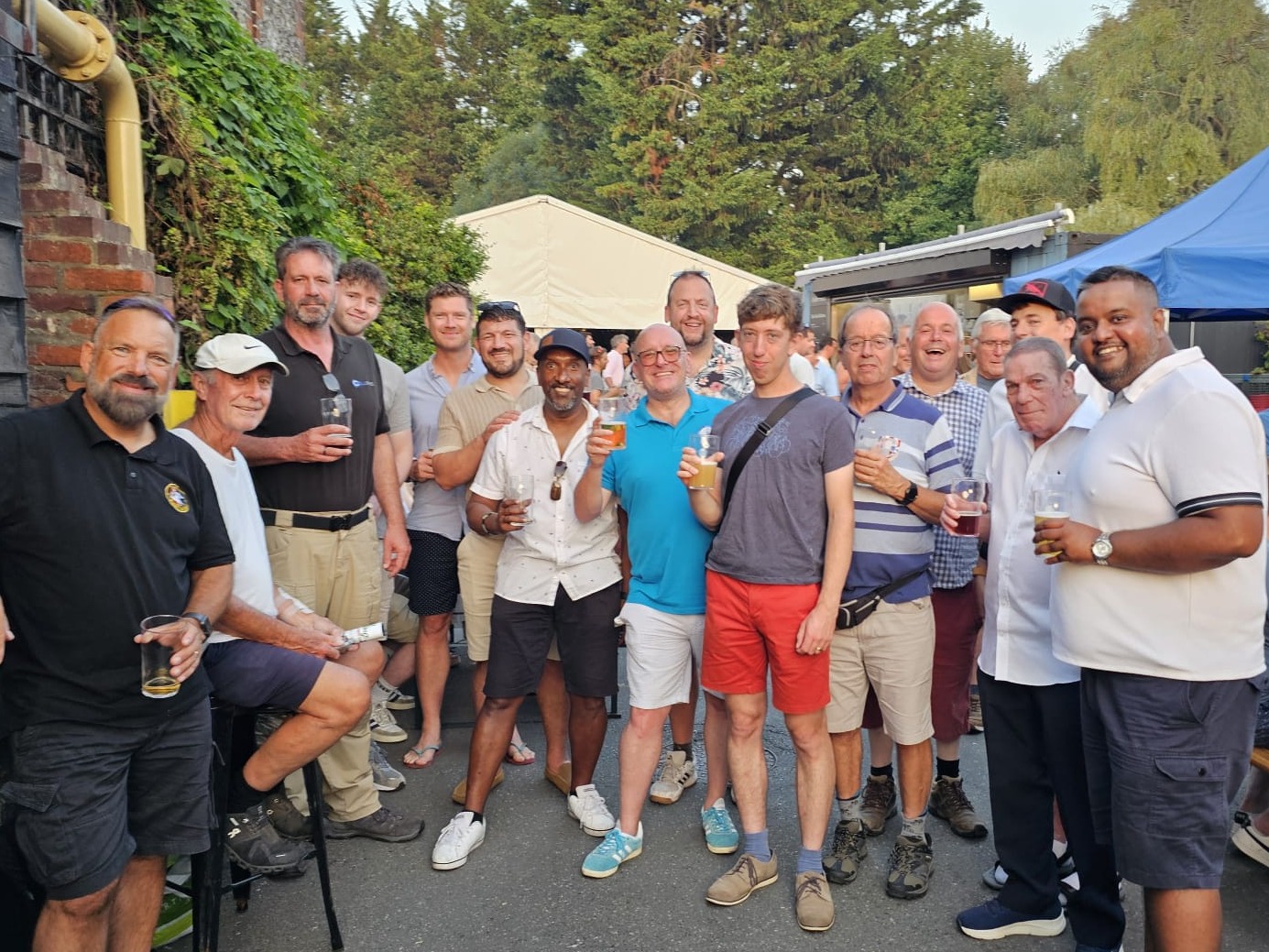
Known as the “Big Local”, this extraordinary event saw lodges across Buckinghamshire open their doors in harmony, each conducting initiation ceremonies at the same time, all aligned in purpose and spirit. While the ceremonies took place in different Masonic centres, from Newport Pagnell, Aylesbury, Beaconsfield, Bletchley, Slough to Marlow, the atmosphere was one of collective brotherhood and shared tradition.

Initiations started at 9am and carried on throughout the day, and like something out of an ’80s game show, (think Challenge Anneka), the Provincial Grand Master and his team of provincial officers were on a high-energy mission, travelling across the county to witness as many initiation ceremonies as possible. Their commitment and enthusiasm meant they could be seen appearing in photos from numerous centres, showing support, celebrating with new initiates, and strengthening the connection across the province.

This initiative was more than a logistical success, it was a powerful symbol of Freemasonry’s unity, heritage, and relevance in the modern age. As each initiate took their first step into Freemasonry, they did so not as isolated individuals, but as part of a much wider, connected experience. Brethren across the province were bonded in a common effort to welcome the next generation of Freemasons, reinforcing the strength of the fraternity across geographical boundaries.

Provincial Grand Master Tim Anders commented:
“This event was a celebration of brotherhood. To see such a significant number of men committing to the values of Freemasonry at the same time, across so many centres, speaks volumes about the health and future of the Craft in Buckinghamshire

A huge and heartfelt thanks goes to all the brethren and lodges who took part in this momentous occasion. Your commitment, dedication, sacrificing evenings and weekends and time with your own family made this event not only possible but a shining example of what we can achieve when we come together in support of our Province and each other”

For the 60 new initiates, their journey began with the knowledge that they were part of something bigger than themselves. They didn’t just join a lodge they joined a living network of support, fellowship, and shared purpose that spans across the county and beyond.

The “Big Local” event exemplified what modern Freemasonry is all about: timeless values practiced in contemporary ways, a blend of tradition and innovation, and above all, a thriving community committed to personal growth, charitable work, and meaningful connection.

This momentous event not only welcomed new brethren but also reaffirmed the vibrant energy and unity within Buckinghamshire’s Masonic community. Though held in different rooms, every lodge was connected by ritual, by intention, and by the unbreakable bond of Freemasonry.

One event. Sixty initiations. One united brotherhood.

If you would like to be part of a global community that has its roots firmly in the ground in Buckinghamshire, please join us by following this link: https://buckspgl.org/join
Masonic Symbols Explained

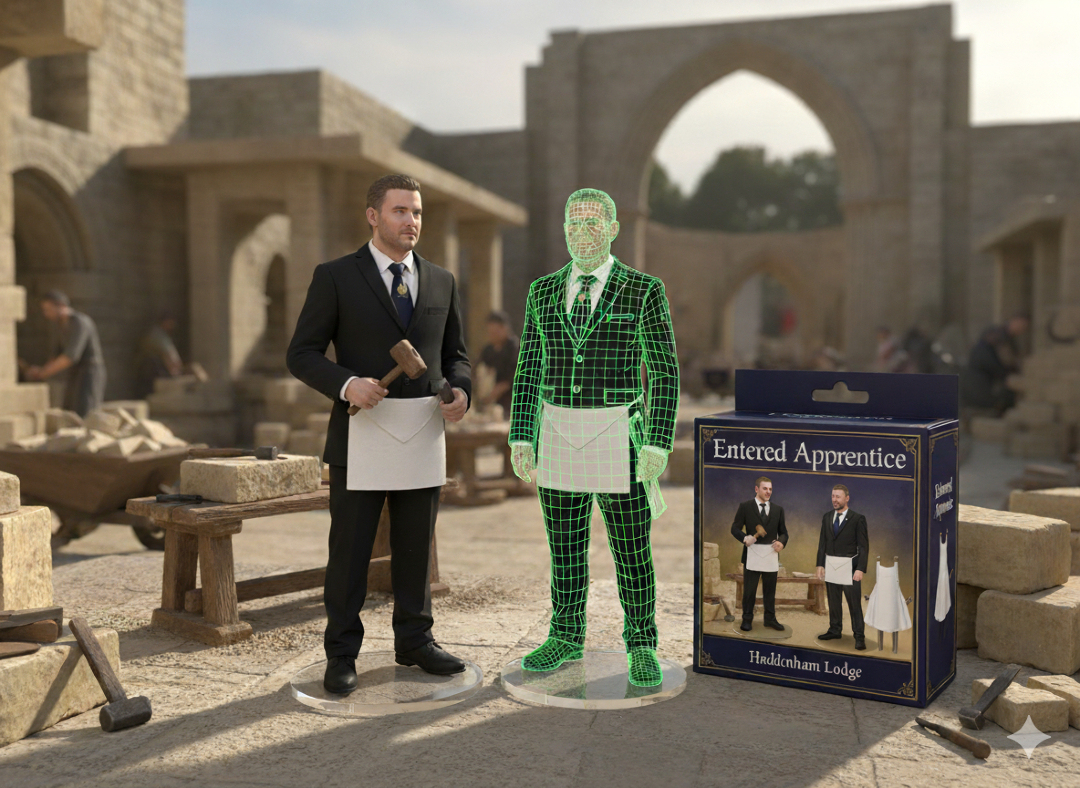
In Freemasonry, the Gavel is a powerful symbol that embodies authority, order, and the moral responsibilities of leadership. Traditionally used by stonemasons, the Gavel has evolved into a ceremonial tool that plays a crucial role in the governance of Masonic Lodges.

At its core, the Gavel represents the authority of the Worshipful Master, the leader of the Lodge. When the Master strikes the Gavel, it signals the opening and closing of meetings, calling the attention of members and maintaining order during proceedings. This act reinforces the importance of structure and discipline within the Lodge, ensuring that discussions and decisions are conducted in a respectful and orderly manner.

Moreover, the Gavel serves as a reminder of the moral weight that comes with leadership. It symbolizes the need for Masons to wield their authority wisely and with integrity. Just as a Gavel can build or break, the actions of a leader can significantly impact the harmony and progress of the Lodge. Masons are taught to use the Gavel with dignity and self-control, reflecting the values of friendship and support that underpin the fraternity.

The Gavel is more than just a tool; it is a profound emblem of leadership, responsibility, and moral conduct in Freemasonry. It reminds members of their duty to uphold the principles of the Craft while fostering a sense of unity and respect within the Lodge.

If you would like to be part of a global community that has its roots firmly in the ground in Buckinghamshire, please join us by following this link: https://buckspgl.org/join
Feel Good Friday !

Celebrating 60 Years of Dedication: A Visit to Wiveliscombe

Recently our Provincial Grand Master, Tim Anders, had the pleasure of travelling from Oxfordshire to Wiveliscombe in Devon with Frank Byrne to visit Brother Brian Tustian and present him with his certificate for 60-years in Freemasonry.  They shared a memorable afternoon with Brian, enjoying fish and chips from the local chippy and a walk around his beautifully kept garden. The visit was filled with good conversation and great memories of Brian’s remarkable Masonic life.

A Timely Reminder

This visit was more than a presentation—it was a reminder of the importance of maintaining contact with older Brethren. As the years go by, it becomes ever more vital that we look after and remain in regular contact with those who have given so much. Many now live alone, and a simple visit or a phone call can make an immeasurable difference. We must always ensure that support is never far away.

Brian Tustian

Brian, now 92, was born on 14th September 1932 and brought up in a farming family in Turweston, near Brackley. A bright young man, he passed the 10-plus and earned a place at the Royal Latin School in Buckingham. His hopes of going on to college were cut short when, at just fifteen, his father was seriously injured in a hunting accident. Brian left school to take responsibility for the family farm—a duty he fulfilled with typical determination. Brian went on to be one of the first Organic Farmers in the area.

Cricket has always played a big part in Brian’s life. He was a gifted sportsman who played for his school, village and county. In 1969, he was part of the Buckinghamshire team that won the Minor Counties Championship—a proud moment that remains a highlight of his sporting achievements.

Brian was introduced to Freemasonry by a fellow farmer and was initiated into Grenville Lodge No. 1787 on 8th January 1964. He became Worshipful Master in 1976 and was later appointed Past Provincial Grand Registrar in 1982 and Past Provincial Senior Grand Warden in 1990.

As Grenville Lodge became oversubscribed in the early 1970s, plans were made to form a new Lodge. Brian was encouraged to serve as founding Secretary and played a key role in establishing Verney Lodge. Thanks to his friendship with Sir Ralph Verney, the then Provincial Grand Master, Sir Ralph agreed to become the Founding Master and allowed the Lodge to bear his family name. Verney Lodge was consecrated on 16th January 1979, with Brian as Secretary. He later became its Master in 1987.

After retiring from farming, Brian moved to Somerset to be closer to his daughters. Though distance eventually made regular travel difficult, he remained a committed member. While he resigned from Grenville Lodge, Verney Lodge honoured him with honorary membership which he values to this day.

Brian remains in good health and continues to follow sport with great interest. Following the sad loss of his wife last year, he now receives help tending to his large garden, which, as ever, is immaculate.

When asked what drew him to Freemasonry, Brian replied, “I was inspired to help others who are less fortunate than myself.” A sentiment that many of us continue to hold.

If you would like to be part of a global community that has its roots firmly in the ground in Buckinghamshire, please join us by following this link: https://buckspgl.org/join?
 

Masonic Symbols Explained

In Freemasonry, the Trowel is a powerful symbol that embodies the principles of brotherhood, charity, and personal growth. Traditionally used by stonemasons, the Trowel serves as a metaphor for the values that Masons strive to uphold in their lives.

Brotherhood: The Trowel represents the act of spreading brotherly love and affection among Masons. Just as a trowel spreads mortar to bind stones together, Masons are encouraged to foster strong connections and support one another in their journey.

Charity: This symbol also highlights the importance of charity within the Masonic community. The Trowel reminds Masons to extend their kindness and generosity to those in need, reinforcing the idea that charity is a fundamental aspect of their moral duty.

Personal Development: The Trowel symbolizes the importance of self-improvement. Masons are urged to reflect on their actions and strive for personal growth, shaping themselves into better individuals.

The Trowel is more than just a tool; it is a profound symbol that underscores the values of charity, brotherhood, and personal development within Freemasonry, guiding members in their interactions and decisions.

If you would like to be part of a global community that has its roots firmly in the ground in Buckinghamshire, please join us by following this link: https://buckspgl.org/join
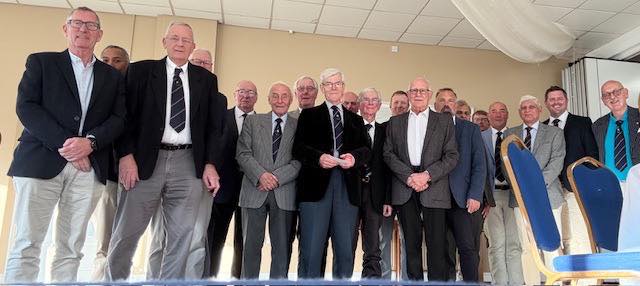
Retirement of W Bro John King, PSGD and announcement of new Assistant Provincial Grand Master W Bro Mark Harry, ProvJGW

W.Bro John King will be stepping down as Assistant Provincial Grand Master over the several years. John has done an exceptional job for Buckingham share Freemasons his reputation as a hard-working and committed Mason is known across the province.

As APGM, John has worked tirelessly to support Lodges and Brethren. His commitment to the success of the province has been faultless. Whether creating or supporting new initiatives, or working closely with individual members and lodges, he has always gone above and beyond the call of duty to help shape the success of the province.
 
Although John is stepping down from the role of APGM, he remains a valued and active part of the Provincial team and will continue to contribute at a high level. His experience, energy, and wisdom remain as important as ever, and we are delighted that he will still be working closely with us as we move forward.
 
I would personally like to thank John for his unwavering support, input and hard work, and I look forward to continuing to work closely with him over the coming years.

I am also pleased to announce that W Bro Mark Harry, ProvJGW, will be appointed as an Assistant Provincial Grand Master for the Province of Buckinghamshire at the Provincial meeting on Saturday, 11th October 2025.

Mark was initiated into Burke Lodge No. 6154 in 2012. Since then, his involvement in Freemasonry has grown steadily. He is now a member of nine Craft Lodges and has taken on a number of offices across them. He’s also played a key role in helping to re-establish Lodges such as Slough Daylight Lodge, with its shooting theme, and more recently Royal Thames Lodge, which focuses on the Combined Services.

Mark is also active in other Masonic Orders, including the Royal Arch, where he is a member of Bevan Chapter No. 2458, and the Knights Templar, where he currently serves as Provincial Bodyguard Commander for Oxfordshire, Berkshire, and Buckinghamshire.
 
Before his Masonic journey began, Mark served in the British Army for 24 years, finishing his career as a Warrant Officer First Class, Regimental Sergeant Major. His service included operational tours and training roles around the world, and he also spent time as an instructor at the Royal Military Academy Sandhurst.

In recent years, Mark has taken the lead on the Province’s continued support for the Armed Forces Covenant. Thanks to his work, we now have a direct line of communication with the Ministry of Defence, and three Lodges have already signed the Covenant, with three more expected by the end of the year.

Within the Province, Mark has held several senior roles, including Standard Bearer, Membership Officer, Sword Bearer, and Provincial Junior Grand Warden. Earlier this year, he organised both the Provincial Grand Lodge meeting and the Provincial Grand Master’s Installation, while also supporting a number of other important Provincial projects, including BIG, BIG123, and 12DX.
 
Outside Freemasonry, Mark is supported by his wife Debbie, who is very proud of his Masonic work. When he’s not at Lodge or working on Provincial matters, he enjoys shooting, cars, and socialising.
 
We wish Mark all the very best in his new role as Assistant Provincial Grand Master and look forward to working with him as part of the Provincial Executive.

Fraternal regards 

RW.Bro Tim Anders
Provincial Grand Master.

Armed Forces Covenant Signing – Friday 27th June

Friday evening marked a significant milestone in our Province's commitment to supporting the Armed Forces Community. Bulwer Lodge of Cairo and the recently repurposed Royal Thames (Combined Services) Lodge, supported by the RW Provincial Grand Master and a whole team of APOs, attended the official signing of the Armed Forces Covenant (AFC).

This reinforces Buckinghamshire’s unwavering commitment to the Armed Forces Community, ensuring that our serving, reserve, and veteran communities are not disadvantaged in any way. Our RW PGM is keen that Buckinghamshire continue to strive and maintain the AFC Principles, which align with our already established ethos in providing Freemasonry, recognising their service and commitment.

The Province has identified three Additional Lodges that will sign the AFC before the end of the year. If you require any further information, please get in touch with W Bro Mark Harry This email address is being protected from spambots. You need JavaScript enabled to view it. 


FEEL GOOD FRIDAY !

The Masonic Housing Association (MHA) celebrates a major milestone this year—its 50th anniversary.

Founded in 1975, the MHA was established as an exempt charity following the introduction of the Housing Act of 1974. Its mission has remained consistent for five decades: to provide affordable, sheltered housing for elderly individuals who are able to live independently but benefit from being part of a supportive community.

The Association opened its first scheme at Prebendal Close in 1980 and now manages 189 flats across five properties throughout the UK, with Prebendal Close remaining a flagship location.  Prebendal Close is a Sheltered Housing Scheme in Aylesbury that has accommodated many Masons and their families over the last 45 years, and is run behind Bev by a string of committed volunteer Bucks Masons, and long may it continue.

The golden anniversary celebration at Prebendal Close included a Meet & Greet followed by speeches from key figures including MHA Chairman Geoffrey Dearing, Timothy Anders, Provincial Grand Master of Buckinghamshire Freemasonry and The Countess Howe, HM Lord-Lieutenant of Buckinghamshire. This was followed by a celebratory buffet and entertainment for all the residents.

As MHA marks half a century of service, the occasion stands as a testament to the vital role housing associations play in supporting independent living and fostering community for older residents.

Local dignitaries included:

The Countess Howe, HM Lord-Lieutenant of Buckinghamshire
Roger Jefcoate CBE, Deputy Lieutenant of Buckinghamshire   
Pippa Kirkbride, High Sheriff of Buckinghamshire
Cllr Nidhi Mehta, Mayor of Aylesbury
Cllr Sherrilyn Bateman, Deputy Mayor of Aylesbury

The event provided an excellent opportunity to introduce our honoured guests to Prebendal Close and the wider mission of MHA. There was a notable level of interest and enthusiasm from newly appointed officials, including the Mayor of Aylesbury.

Guest Feedback:

"It was such a pleasure to visit the gem that Prebendal Close is on Wednesday afternoon and to be welcomed so generously by you, the Masons, and the residents. The Lord-Lieutenant and I were so delighted to be part of your 50th anniversary celebrations which were joyful, relaxed, and fun. I enjoyed talking to several of the residents, and it is clear that you have achieved the perfect formula for enabling independent living in a safe and supported environment."

"What a lovely day it was at the MHA 50th Anniversary. The whole occasion was so well organised and the welcome so fulsome that Sally and I thoroughly enjoyed ourselves. To have persuaded the Lord-Lieutenant and her Deputies, as well as the Mayor and Deputy Mayor of Aylesbury, to attend was something of a coup. It demonstrates the strong ties you have cultivated with the wider, non-masonic community."

Photo's taken by   

If you would like to be part of a global community that has its roots firmly in the ground in Buckinghamshire, please join us by following this link: https://buckspgl.org/join?


Masonic Symbols Explained

Understanding the Symbolism of the Rough and Perfect Ashlars in Freemasonry

In Freemasonry, the concepts of the Rough and Perfect Ashlars hold profound significance, representing the journey of personal development and enlightenment that each Mason undertakes.

The Rough Ashlar symbolizes the unrefined state of a person before they embark on their Masonic journey. Just as a rough piece of stone is unprepared and lacks shape, the Rough Ashlar represents individuals who have yet to discover their true potential and moral clarity. This stage reflects the idea that everyone begins their life with imperfections and areas for growth.

In contrast, the Perfect Ashlar represents the refined and polished state that a Mason strives to achieve through education, self-improvement, and moral development. This smooth, uniform stone signifies a life lived with integrity, virtue, and enlightenment. The transformation from a Rough Ashlar to a Perfect Ashlar is an allegory for the personal growth that Masons experience as they engage with the teachings and principles of Freemasonry.

Historically, the process of shaping stone required skilled craftsmanship, much like the effort needed for personal development. Just as stonemasons would work diligently to create perfect stones for construction, Masons are encouraged to work on themselves, striving for a life that reflects the highest moral standards.

In summary, the Rough and Perfect Ashlars serve as powerful symbols in Freemasonry, illustrating the journey from ignorance to enlightenment and the continuous pursuit of personal growth and ethical living. These symbols remind Masons of their commitment to self-improvement and the importance of striving for a better version of themselves.

If you would like to be part of a global community that has its roots firmly in the ground in Buckinghamshire, please join us by following this link: https://buckspgl.org/join
FEEL GOOD FRIDAY !

Tim Anders, the Provincial Grand Master of Buckinghamshire Freemasons, visited the Florence Nightingale Hospice recently and shared his thoughts.

“During my visit to   I was immediately struck by the overwhelming sense of love, compassion, and dedication that radiated from every member of the team. From the moment I arrived, it was clear that this is more than just a workplace—it is a community built on empathy and care for others.

“I was given a thorough insight into the wide-reaching and vital work the hospice undertakes, not only within its walls but also across the wider community. It quickly became apparent just how extensive the hospice’s services are, reaching far beyond the building itself and into countless homes across Buckinghamshire and beyond. The care and support provided touches the lives of many, often during their most difficult moments, and the need for this support continues to grow.

“What truly stood out to me was the role of the hospice’s incredible volunteer network. Their contribution goes well beyond patient care—they offer companionship, practical help, and bereavement support that continues long after a loved one has passed. This holistic approach to care, for both patients and their families, is deeply moving and reflects the values at the heart of the hospice.

“I want to express my heartfelt thanks to every member of the Florence Nightingale Hospice team—staff and volunteers alike—for everything they do for our community. Their commitment, kindness, and tireless work make a considerable difference in the lives of so many. Visiting the hospice was a humbling and inspiring experience, and it reminded me just how important it is to support organisations like this that provide care with such dignity and humanity.”

The Buckinghamshire Freemasons play an important role in fundraising for this and other Hospices, not only with financial assistance, but volunteering for many of the events held by the organisations themselves.

Tim pictured here alongside Lead Clinical Nurse Liz Monaghan and Charity CEO Jo Turner.

If you would like to be part of a global community that has its roots firmly in the ground in Buckinghamshire, please join us by following this link: https://buckspgl.org/join?


D'Day

Today marks the anniversary of D’Day, a day along with many others that marks a very important time in history for us and Europe, one that mustn’t be forgotten. 
We hope you don’t mind this lengthy post, but we’d like to summarise things.  

D’Day: 
The Invasion of Normandy. On June 6, 1944 the Allied Forces of Britain, America, Canada, and France attacked German forces on the coast of Normandy, France. With a huge force of over 150,000 soldiers, the Allies attacked and gained a victory that became the turning point for World War II in Europe.
D’day was the largest amphibious invasion in history, with more than 4,000 ships, 11,000 warplanes and 156,000 Allied troops. Sadly, more than 4,400 Allied troops died that day.

Why is it called D’day?
Decision Day? Doomsday? Dreadnought Day?
None of the above. The D simply stands for “day.”
The designation was traditionally used for the date of any important military operation or invasion, according to the National World War II Museum.
Thus, the day before June 6, 1944, was known as D-1 and the days after were D+1, D+2, D+ and so on.

Leading up to the Battle:
Germany had invaded France and was trying to take over all of Europe including Britain. However, Britain and the United States had managed to slow down the expanding German forces. They were now able to turn on the offensive. 
To prepare for the invasion, the Allies amassed troops and equipment in Britain. They also increased the number of air strikes and bombings in German territory. Right before the invasion, over 1000 bombers a day were hitting German targets. They bombed railroads, bridges, airfields, and other strategic places in order to slow down and hinder the German army. 

Deception:
The Germans knew that an invasion was coming. They could tell by all the forces that were gathering in Britain as well as by the additional air strikes. What they didn't know was where the Allies would strike. In order to confuse the Germans, the Allies tried to make it look like they were going to attack north of Normandy at Pas de Calais. 

The Weather:
Although the D-Day invasion had been planned for months, it was almost cancelled due to bad weather. General Eisenhower finally agreed to attack despite the overcast skies. Although the weather did have some affect and on the Allies ability to attack, it also caused the Germans to think that no attack was coming. They were less prepared as a result. 

Interesting Facts about D-Day:
The troops needed the light of a full moon to see to attack. For this reason there were only a few days during a month when the Allies could attack. This led Eisenhower to go ahead with the invasion despite the bad weather.
The Allies wanted to attack during high tide as this helped the ships to avoid obstacles put in the water by the Germans.

Although June 6 is often called D-Day, D-Day is also a generic military term that stands for the day, D, of any major attack.

The overall military operation was called "Operation Overlord". The actual landings at Normandy were called "Operation Neptune".
The Five Beach Landings:
Utah - USA
Omaha - USA
Gold - Great Britain 
Juno - Canada
Sword - Great Britain 

Where do the names come from ?
On the American side, the names chosen correspond to a state, Utah, and to a city Nebraska, Omaha. They were selected at random : at the moment when the operations were being named, a general asked two NCOs where they were from.
For British and Canadians, the names correspond to the abbreviations for certain types fish : goldfish, swordfish and jellyfish. Jelly was changed to Juno in honour of the wife of one of the officers.

We must continue to learn from history so it Is not repeated. 
We must ensure history is taught to the young. 
We must never forget those that fell on that day and in all theatres of war since and to who we owe so much. 


National D-Day Memorial

IT’S COMING HOME,

IT’S COMING HOME, IT’S COMING….FOOTBALL’S COMING HOME !

Friday 30th of May 2025 will live long in the memory of Buckinghamshire Freemasonry, as the Bucks “FOOTBALL LODGE” no.10,067 was Consecrated at Wycombe Wanderers FC.

Crowds of Brothers piled through the turnstiles on a sunny May Friday morning in South Buckinghamshire to witness a very special game, a game, which in reality was the culmination of 24 months of effort run, …..infact, the “Beautiful Game” …..Our beautiful game!…..where there are no sides, a game where everyone supports the same players, a game that divides no one by age, colour creed or culture…. But a game that still desires passion, commitment and endeavour….. yet, all in the search of our common goals…..Brotherly love, relief and truth.

So it begins ….

Two hundred and twenty gathered in our own “theatre of play” to see the two years of planning finally reach fruition, with Worshipful Brother Gary Brodie being Installed as the Primus Master of the Buckinghamshire Football Lodge. The Consecrating Team led by Provincial Grand Master Tim Anders delivered on everything, not just the rare ceremony of giving life to a new Lodge, but the vibe that currently flows through us all continues to gain strength, by simply enjoying what we do, and that was reflected in the smiles throughout the day.

Football loves a cliché “the gaffa did us proud”

Fancy yourself as a bit of a player ? There is no transfer window….the door is open.
“The Crowd are on the pitch, they think it’s all over”…….it’s only just begun!

If you would like to be part of a global community that has its roots firmly in the ground in Buckinghamshire, please join us by following this link: https://buckspgl.org/join
Volunteers Week 2025

A UK-Wide Celebration, Volunteers’ Week is an annual UK-wide campaign held from the first Monday in June to celebrate and recognise the contributions of volunteers.

Volunteering is a foundation element of Freemasonry, giving up our time is as valuable if not more valuable in some instances than a cash donation.  Up and down the province of Buckinghamshire, thousands of hours each year is given in volunteering by its members at events to assist a charity or cause.

Volunteering is a vital component of UK society, with millions contributing their time and skills annually across Scotland, Wales, England and Northern Ireland. These inspiring statistics highlight the incredible contributions of volunteers and the potential for even greater engagement across the UK.

Launched in 1984, this initiative has been running for over 40 years, providing organisations and communities a platform to thank current and past volunteers for their invaluable efforts.

Volunteers’ Week fosters connections between national organisations and grassroots groups, celebrating the spirit of volunteering that enriches communities each year.

This year’s celebration runs from Monday 2nd – Sunday 8th June. 

If you would like to be part of a global community that has its roots firmly in the ground in Buckinghamshire, please join us by following this link: https://buckspgl.org/join
Masonic Symbols Explained

The Importance of the Plumb Rule in Freemasonry

The Plumb Rule is a significant symbol in Freemasonry, embodying the principles of uprightness, integrity, and moral conduct. This tool, traditionally used in construction to ensure that structures are perfectly vertical, serves as a powerful metaphor for the ethical standards that Freemasons strive to uphold in their lives.

At its core, the Plumb Rule serves as a reminder for Masons to act with honesty and integrity in all aspects of their lives. Just as the tool ensures that buildings are constructed straight and true, Masons are encouraged to align their actions with ethical principles, promoting a life of moral uprightness.

Moreover, the Plumb Rule signifies the importance of living justly. It encourages Masons to evaluate their decisions and behaviours, ensuring they are fair and just in their dealings with others. This commitment to ethical behaviour fosters trust and respect in relationships, both within the Lodge and in everyday interactions.

The Plumb Rule also symbolizes personal development and self-reflection. Masons are urged to assess their actions continually and strive for improvement, maintaining a moral compass that guides their lives.

In summary, the Plumb Rule is a powerful symbol that underscores the values of integrity, moral uprightness, and personal growth within Freemasonry. It serves as a guiding principle for members, reminding them to reflect the highest standards of moral conduct in all their interactions and decisions.

If you would like to be part of a global community that has its roots firmly in the ground in Buckinghamshire, please join us by following this link: https://buckspgl.org/join
Memorable & Historical Gathering

Last night at Methuen Lodge No. 631 Buckinghamshire had a time line presence.

Current Provincial Grand Master, Tim Anders, stood alongside the three past provincial Grand Masters of Buckinghamshire - John Clark (2018~2025), Gordon Robertson (2011~2018) & Ray Reed (2005~2011).  

Although the meeting was just a normal scheduled event, the rare gathering of a historical timeline was something that needed to be captured.

The friendship and bond of the senior leadership within the province of Buckinghamshire is something to be very proud of.  Past leaders celebrating their successors appointment and on hand to share valuable experience and advise.

So, what is the history of Methuen Lodge?

The Lodge was consecrated at Swindon in the Province of Wiltshire, on 24th May 1854, by the Deputy Provincial Grand Master, Sir Daniel Gooch, Bt.
Lord Methuen, Provincial Grand Master (from 1853) was installed as the first Master.
From the outset, the Lodge existed for Wiltshire masons who wanted a lodge with a standard of comfort, dignity and good living, comparable to some of the best London Lodges.
The promoters had said that they did not want a lot of masonic work but that they would enjoy a first class, civilised dinner, with good wine to drink and, even, cigars to smoke.

It became a Buckinghamshire Lodge when the combined provinces were separated in 1890.

The Lodge has never owned a Banner and the only record of any badge is on the Summons of May 1938, the minutes of which stated that a discussion about the badge ensued and it was agreed that it should not be used in the future.

The Lodge includes the MW Pro Grand Master, the RW Deputy Grand Master, the President of the Board of General Purposes, and the Grand Treasurer. Additionally, it has become customary to invite the Provincial Grand Masters of Berks, Bucks, and Oxon to become joining members.

The Lodge still meets three times per year, twice in Marlow (dining at The Leander Club, in Henley-on-Thames) and once in London, at 10 Duke Street, with dinner at a nearby gentleman’s club.

The Leander Club was founded in 1818 and boasts an unsurpassed record of rowing achievements. It is home to heroes such as Sir Steve Redgrave CBE and Sir Matthew Pinsent CBE, triple gold medalist Peter Reed OBE, and double gold medalists James Cracknell OBE, Steve Williams OBE, and Alex Gregory MBE, as well as the champions of tomorrow.

If you would like to be part of a global community that has its roots firmly in the ground in Buckinghamshire, please join us by following this link:

https://buckspgl.org/join
Masonic Symbols Explained

The Significance of the Level in Freemasonry

The Level is a vital symbol in Freemasonry, embodying the principles of equality and fairness that are central to the fraternity. This emblem serves as a reminder that all Masons are equal, regardless of their social status, wealth, or background.

This foundational belief promotes a strong sense of brotherhood and unity among members, reinforcing the idea that everyone is valued equally within the Lodge.
In addition to symbolising equality, the Level encourages Masons to conduct themselves with integrity and honesty in all their dealings.

It serves as a guiding principle, urging members to treat others fairly and justly, thereby emphasising the importance of ethical behaviour in both personal and communal interactions.

The Level also represents the foundation of relationships built on mutual respect and understanding. It encourages Masons to foster harmonious interactions, not only within the Lodge but also in their everyday lives.

This commitment to fairness extends beyond the fraternity, promoting a culture of respect in all areas of life.

Furthermore, the Level highlights the importance of self-reflection and personal growth. Masons are encouraged to evaluate their actions and ensure they align with the values of fairness and equality, fostering continuous improvement.

In summary, the Level is a powerful symbol that underscores the values of equality, integrity, and mutual respect within Freemasonry. It guides members in their personal development and communal interactions, reinforcing the bonds of brotherhood that unite them in their shared journey.

If you would like to be part of a global community that has its roots firmly in the ground in Buckinghamshire, please join us by following this link: https://buckspgl.org/join
Happy St Georges Day !

The legend of Saint George and the Dragon describes the saint taming and slaying a dragon that terrorised local communities. The story was known in Roman times but has its origins in Greek mythology.

We celebrate St. George's Day on April 23 — the anniversary of his death in 303 AD. The patron saint of England has captivated British imaginations since the Crusades and the Hundred Years' War.

The story of St. George is featured in tesserae mosaic tiles on the ceiling of Freemasons' Hall at  

We would like to give one final nod to our very own St. George's Lodge. They meet at Wolverton Masonic centre, and were first consecrated on 22nd April 1936 at the Science and Arts Institute in Wolverton. 

Freemasonry has an amazing history that spans over 300 years and is looking forward to the next 300 years.

If you would like to be part of a global community that has its roots firmly in the ground in Buckinghamshire, please join us by following this link: https://buckspgl.org/join
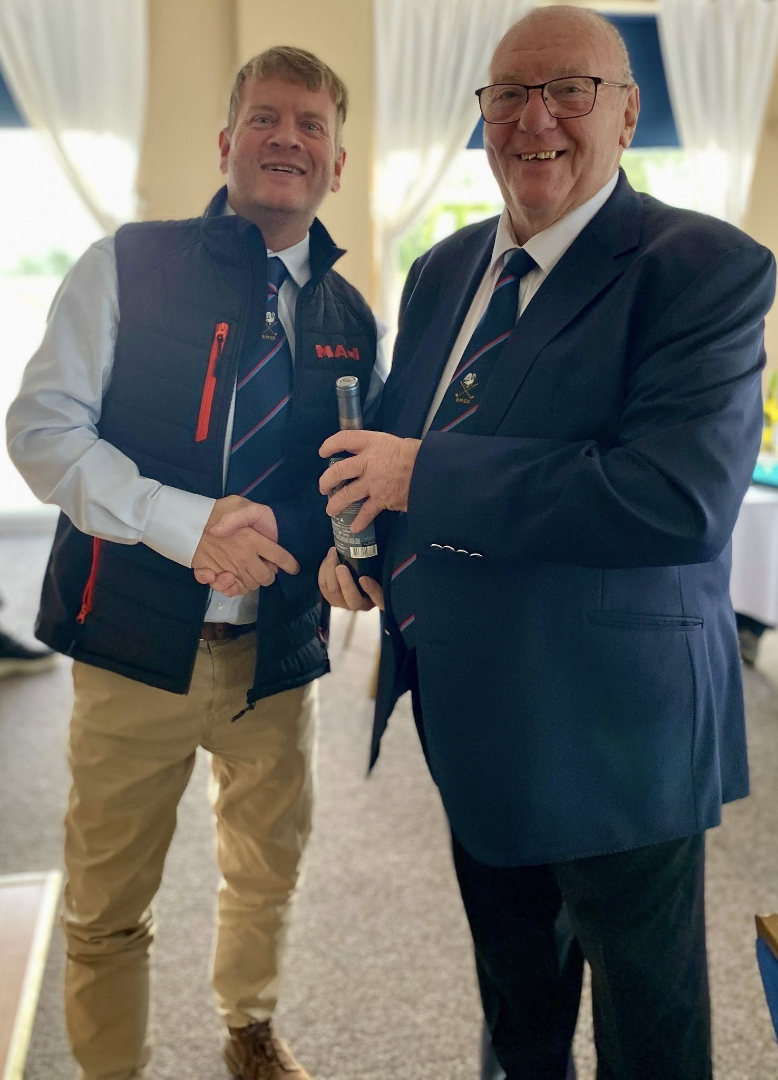
After filling in the short form, our Membership Team will be in touch.

80TH ANNIVERSARY OF VE DAY

Victory in Europe Day, generally known as VE Day or V-E Day, was celebrated on Tuesday, 8 May 1945 to mark the formal acceptance by the Allies of World War II of Nazi Germany's unconditional surrender of its armed forces.

The act of military surrender was first signed at 02:41 on 7 May in SHAEF HQ at Reims, and a slightly modified document was signed on 8 May 1945 in Berlin.

A day in history that we should never forget.

The Grand Secretary Has Landed !

This morning, Adrian Marsh, the Grand Secretary of United Grand Lodge of England, alongside Tim Anders the Provincial Grand Master of Buckinghamshire  took to the sky in a Piper PA-28 Cherokee piloted by our very own Paul Brissenden-Hemstock.

Leaving RAF Halton to RAF Kemble for a planned lodge meeting of The Buckinghamshire Motorcycle Lodge. A huge “ride in” and in this instance a fly in too.

Buckinghamshire doing something different again.
If you would like to be part of a global community that has its roots firmly in the ground in Buckinghamshire, please join us by following this link: https://f.mtr.cool/wcspcfkgxz

Masonic Symbols Explained

The All-Seeing Eye, often depicted as an eye within a triangle, is a powerful symbol found in various cultures and traditions, including Freemasonry. It represents the idea of divine providence and the omnipresence of a higher power. 

The All-Seeing Eye signifies that a higher power is always observing and aware of human actions. This serves as a reminder for individuals to act with integrity and morality, knowing they are accountable for their deeds.

The symbol also represents enlightenment and the pursuit of knowledge. It encourages individuals to seek wisdom and understanding, both of themselves and the universe around them.

The triangle surrounding the eye often signifies the connection between the mind, body, and spirit. It suggests that true understanding comes from harmonising these aspects of existence.

The All-Seeing Eye serves as a profound symbol of awareness, accountability, and the quest for spiritual enlightenment, encouraging individuals to live virtuous lives guided by a higher moral compass.

If you would like to be part of a global community that has its roots firmly in the ground in Buckinghamshire, please join us by following this link: https://buckspgl.org/join
Feel Good Friday !

A lot of people from the Aylesbury Women’s Refuge (14 Women and 14 Children) will be getting a Chocolate treat this Easter thanks to the WM Ameet Doshi and the Brethren of Ferdinand De Rothschild Lodge 2420
Also a HUGE shout out to W Bro Tom Murtagh who supplied the mini chocolate eggs in the orange, green and pink bags from his company Walkers Chocolate.

From Mark Duncan, the Provincial Grand Charity Steward; "I attended an International Women’s Day celebration put on by the Women’s Aid Charity, some of the Ladies came up to me and said, “Are you the Pie Man” they didn’t know my name and were referring to the Covid period when Buckinghamshire Freemasons delivered pies to Bucks Young Carers, the elderly, the Women’s refuge and many more."

"They said the Women and staff were really grateful to local Freemasons when we took them fresh pies every week, they looked forward to our home cooked pies made by Shirley Cannings from Aylesbury Masonic Centre."

If you would like to be part of a global community that has its roots firmly in the ground in Buckinghamshire, please join us by following this link: https://buckspgl.org/join