
5 Noble Orders Of Architecture – Pt3
CORINTHIAN
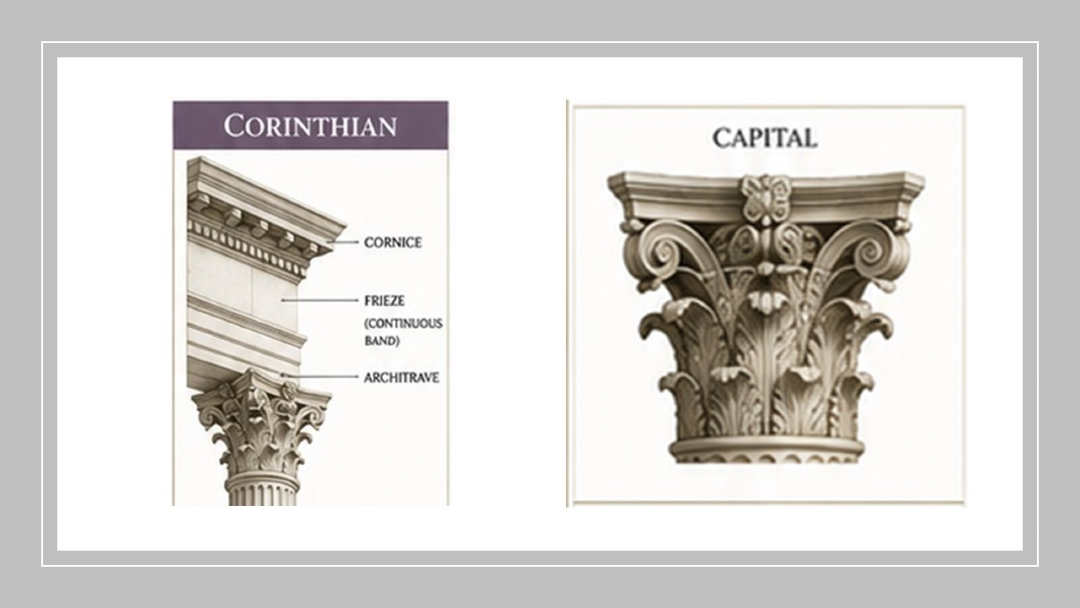
The Corinthian order is the most ornate and elaborate of the three principal orders of classical Greek architecture. Emerging in Greece during the late 5th century BCE, it is distinguished by its slender fluted columns and richly decorated capitals adorned with acanthus leaves and scroll-like tendrils. According to ancient tradition, the sculptor and architect Callimachus was inspired by a basket surrounded by acanthus leaves, leading to the creation of the distinctive Corinthian capital. The order was initially used sparingly in Greek architecture but became extremely popular under the Romans, who employed it extensively in temples, public buildings, triumphal arches, and monuments.
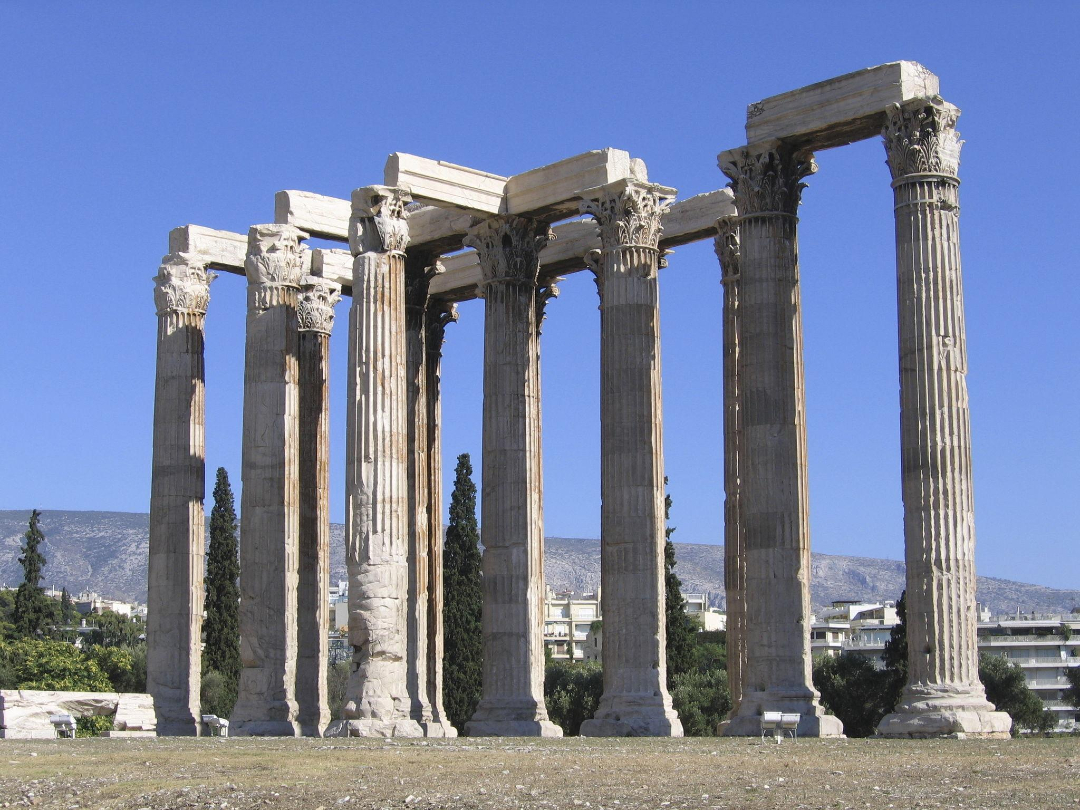
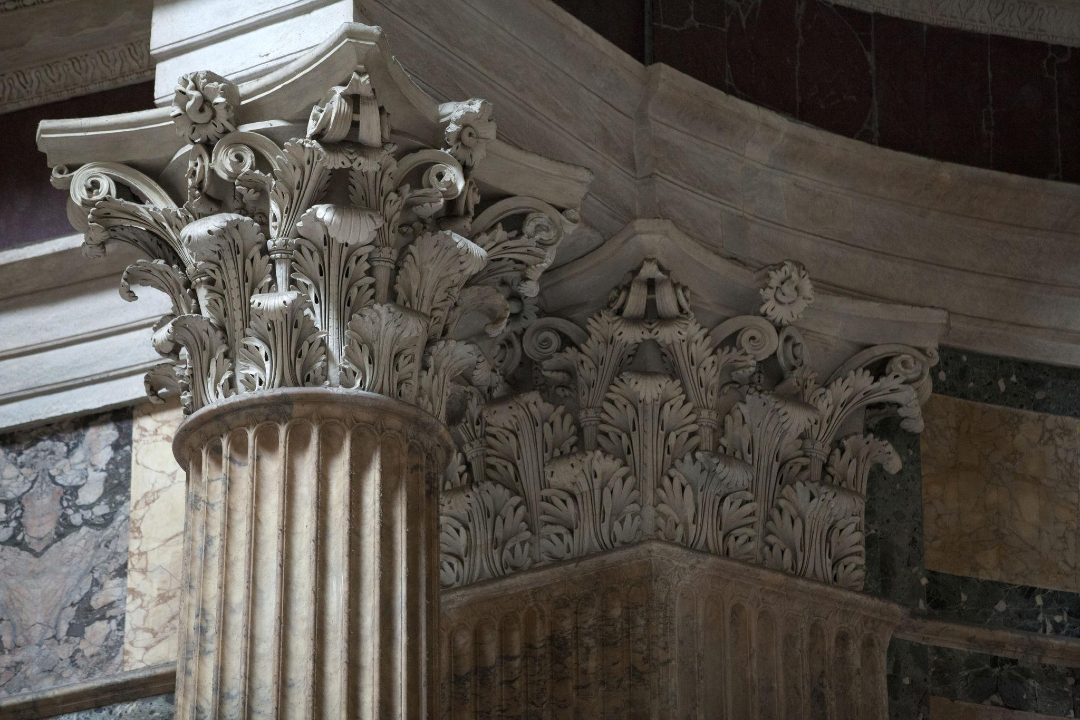
Notable examples include the Temple of Olympian Zeus, the Pantheon, and the Arch of Septimius Severus. During the Renaissance and Neoclassical periods, the Corinthian order was often chosen for prestigious buildings because its elaborate decoration conveyed grandeur, wealth, dignity, and artistic achievement. It remains one of the most recognizable classical styles and continues to influence civic, religious, and institutional architecture around the world.
Within Freemasonry, the Corinthian order is traditionally associated with beauty, completing the symbolic triad of Strength (Doric), Wisdom (Ionic), and Beauty (Corinthian). Masonic teachings frequently use these three classical orders as allegorical supports of a well-governed lodge and a well-balanced life. The richly ornamented Corinthian column is seen as representing the beauty that arises from harmony, virtue, and the proper application of wisdom and strength.
In Masonic symbolism, Corinthian capitals and columns may appear in tracing boards, lodge furnishings, architectural decorations, and educational lectures. The acanthus leaves that characterize the Corinthian capital have sometimes been interpreted as symbols of growth, immortality, or the flourishing of knowledge, although these meanings vary among Masonic traditions and are generally symbolic rather than doctrinal.
Notable UK Examples:
St Paul's Cathedral - Sir Christopher Wren incorporated Corinthian columns throughout the cathedral, particularly in the grand interior and west front.
Somerset House - A prominent Neoclassical building featuring Corinthian detailing and monumental façades.
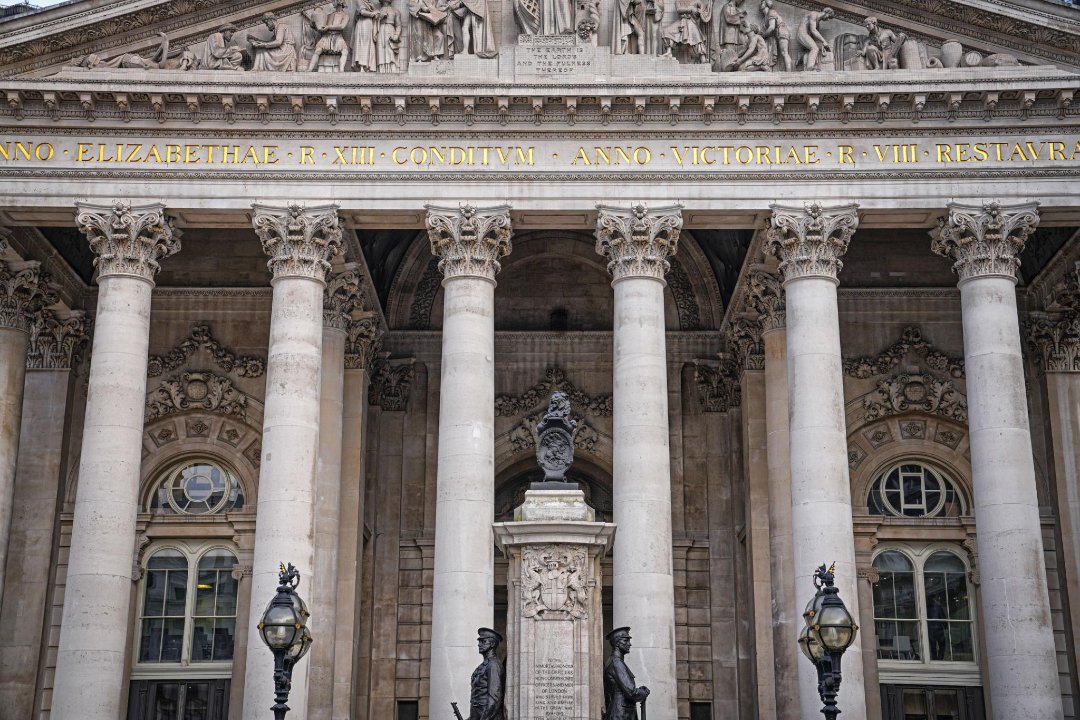
The Royal Exchange - The principal portico employs Corinthian columns, reflecting the prestige associated with the order.
Mansion House - The official residence of the Lord Mayor of London, featuring a grand Corinthian portico.
Birmingham Town Hall - Inspired by Roman temples and incorporating Corinthian features in its classical design.
If you would like to be part of a global community that has its roots firmly in the ground in Buckinghamshire, please join us by following this link: https://buckspgl.org/join?
The Corinthian order is the most ornate and elaborate of the three principal orders of classical Greek architecture. Emerging in Greece during the late 5th century BCE, it is distinguished by its slender fluted columns and richly decorated capitals adorned with acanthus leaves and scroll-like tendrils. According to ancient tradition, the sculptor and architect Callimachus was inspired by a basket surrounded by acanthus leaves, leading to the creation of the distinctive Corinthian capital. The order was initially used sparingly in Greek architecture but became extremely popular under the Romans, who employed it extensively in temples, public buildings, triumphal arches, and monuments.
Notable examples include the Temple of Olympian Zeus, the Pantheon, and the Arch of Septimius Severus. During the Renaissance and Neoclassical periods, the Corinthian order was often chosen for prestigious buildings because its elaborate decoration conveyed grandeur, wealth, dignity, and artistic achievement. It remains one of the most recognizable classical styles and continues to influence civic, religious, and institutional architecture around the world.
Within Freemasonry, the Corinthian order is traditionally associated with beauty, completing the symbolic triad of Strength (Doric), Wisdom (Ionic), and Beauty (Corinthian). Masonic teachings frequently use these three classical orders as allegorical supports of a well-governed lodge and a well-balanced life. The richly ornamented Corinthian column is seen as representing the beauty that arises from harmony, virtue, and the proper application of wisdom and strength.
In Masonic symbolism, Corinthian capitals and columns may appear in tracing boards, lodge furnishings, architectural decorations, and educational lectures. The acanthus leaves that characterize the Corinthian capital have sometimes been interpreted as symbols of growth, immortality, or the flourishing of knowledge, although these meanings vary among Masonic traditions and are generally symbolic rather than doctrinal.
Notable UK Examples:
St Paul's Cathedral - Sir Christopher Wren incorporated Corinthian columns throughout the cathedral, particularly in the grand interior and west front.
Somerset House - A prominent Neoclassical building featuring Corinthian detailing and monumental façades.
The Royal Exchange - The principal portico employs Corinthian columns, reflecting the prestige associated with the order.
Mansion House - The official residence of the Lord Mayor of London, featuring a grand Corinthian portico.
Birmingham Town Hall - Inspired by Roman temples and incorporating Corinthian features in its classical design.
If you would like to be part of a global community that has its roots firmly in the ground in Buckinghamshire, please join us by following this link: https://buckspgl.org/join?